Share this
 Marc de Haas
on Apr 19, 2026 12:45
| Updated: Apr 30, 2026 15:30
Marc de Haas
on Apr 19, 2026 12:45
| Updated: Apr 30, 2026 15:30
%20(7).png?width=672&height=378&name=Claude%203Code%20blog%20April%20(1)%20(7).png)
Handling data without friction requires a setup that manages information from creation to deletion. On Google Cloud, this means building a foundation that stays stable as volumes grow. When you manage the cloud data life cycle correctly, you stop reactive firefighting and start making technology decisions based on clean, available data.
This approach ensures your infrastructure supports your business goals instead of draining your budget through technical debt.
Cloud data life cycle stages at a glance
The flow from data ingestion to archival on Google Cloud needs to be scalable and secure. We design each stage of the cloud data life cycle to support both your internal teams and automated growth. When these stages work together, your organisation can handle increasing volumes of data without adding manual work or increasing operational risk.
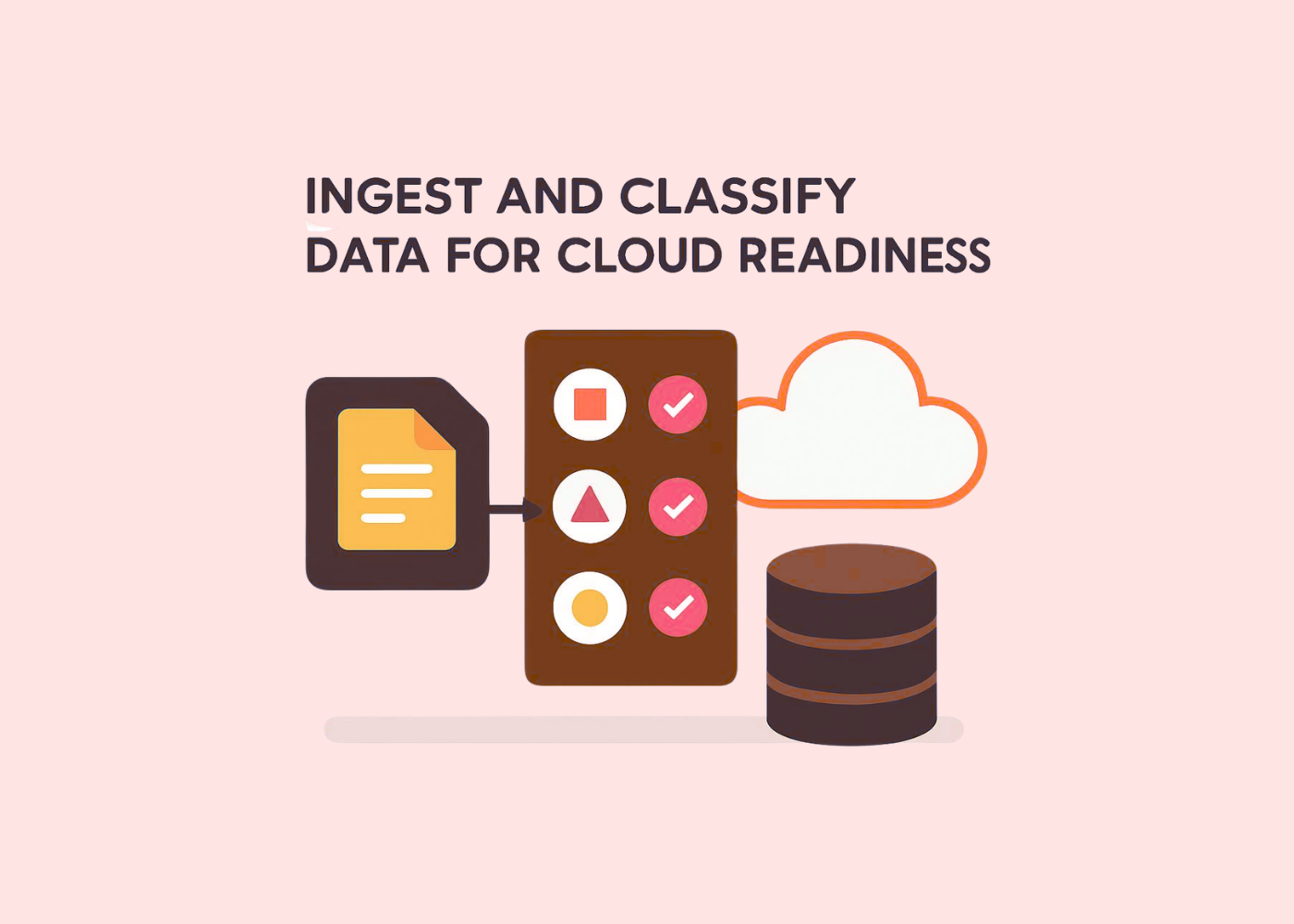
Ingest and classify data for cloud readiness
Maturity starts with how you bring data into your environment. Whether you connect 50+ data sources or just a few core systems, information must be organised and ready for use from the start.
Classifying data early on does more than just organise your files. It builds the foundation for your GDPR compliance framework. By knowing exactly what data you collect and why, you create a secure, transparent operation that is easier to audit and scale.
Store and secure data with smart access controls
Centralising information safely requires a secure Landing Zone and a well-configured BigQuery environment. We work according to ISO 27001 standards, treating data protection as a baseline requirement rather than an extra layer.
Through smart access controls, we make sure that only the right people and services reach specific datasets. This discipline is a core part of a Google Cloud foundation, keeping your storage secure without blocking the teams that need it.
Use and share data across apps and teams
Data delivers value once it is activated. Whether you use Looker for reporting or deploy AI models, success depends on having unified data as a starting point. Our work for Rituals and FD Mediagroup shows the impact of this approach: by connecting fragmented sources, we make personalised, real-time customer experiences possible. This phase relies on robust data engineering services to feed your applications with high-quality, reliable information.
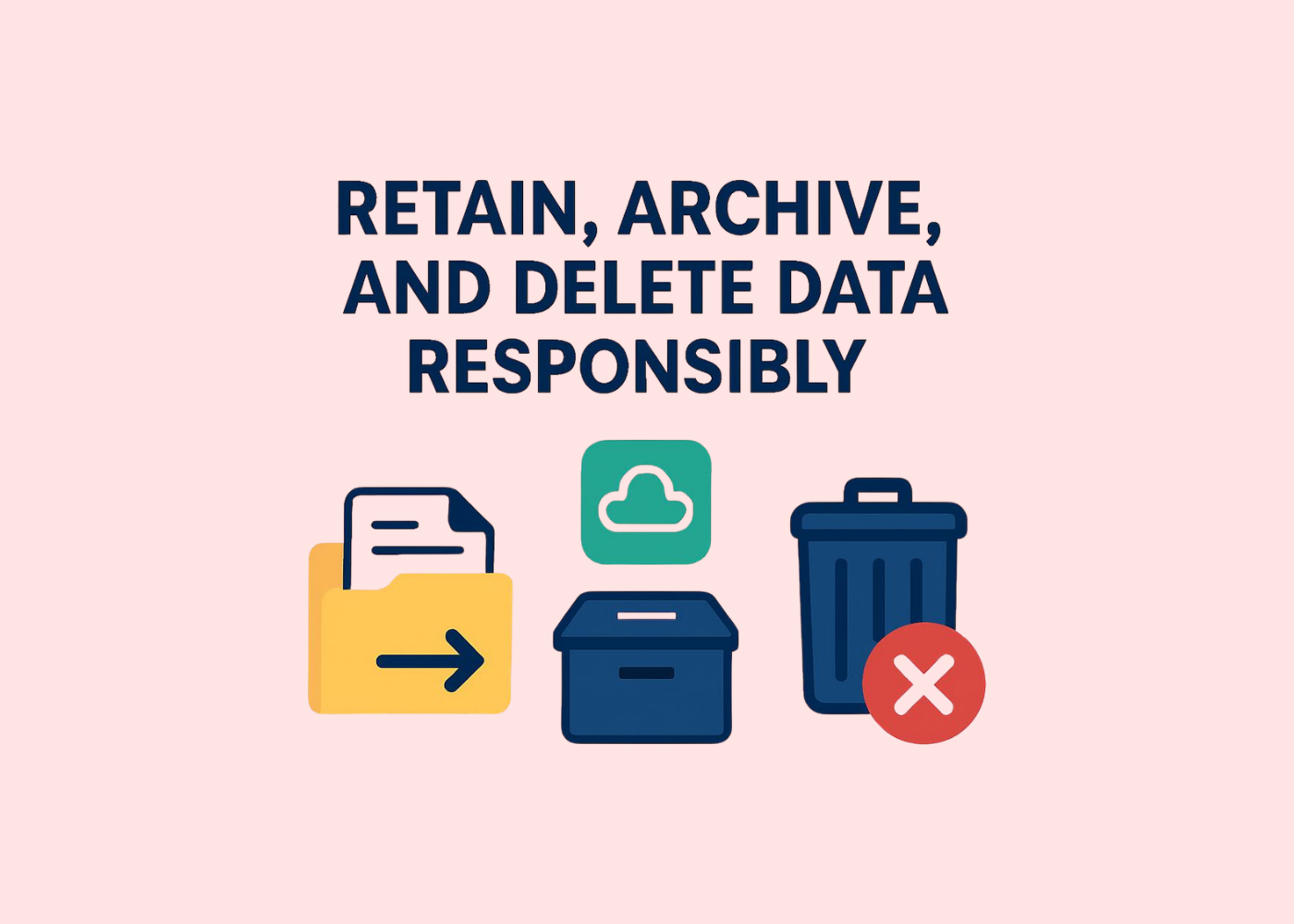
Retain, archive, and delete data responsibly
Managing data also means knowing when to let it go. Automated retention policies are the most effective way to lower both operational risk and cloud costs. From a FinOps perspective, moving older data to long-term storage or deleting it prevents your cloud bill from growing unnecessarily. Responsible deletion is a vital part of a compliant privacy practice, making sure you only keep what is necessary for compliance and business value.
Optimize your cloud data life cycle with automation
Efficiency comes from building systems that run securely with minimal human intervention. By using Managed Services and DataOps, you remove manual bottlenecks that slow the entire cycle. This lets your team focus on strategy instead of constant maintenance. If you need to map out this flow, a solution architect can help design a cloud data life cycle that fits your specific business goals and technical requirements.
A well-managed life cycle reduces costs and improves reliability. Contact us to review your current processes and discover how to optimise your data management for long-term growth.




%20(1).png?width=75&height=75&name=Contact%20Services%20(800%20x%20800%20px)%20(1).png)